Islamic Studies Online for Families Who Want Clear Islamic Learning at Home
Many parents want their children to understand Islam, not only memorize a few facts. Adults may also want to return to the basics but feel unsure where to start. New Muslims often need clear answers without pressure or confusing language.
Our Islamic Studies online course gives students a simple way to learn the foundations of Islam with a live one-on-one teacher. Lessons are taught in English by native Arabic teachers and are suitable for kids, adults, beginners, sisters, non-Arabic speakers, and new Muslims.
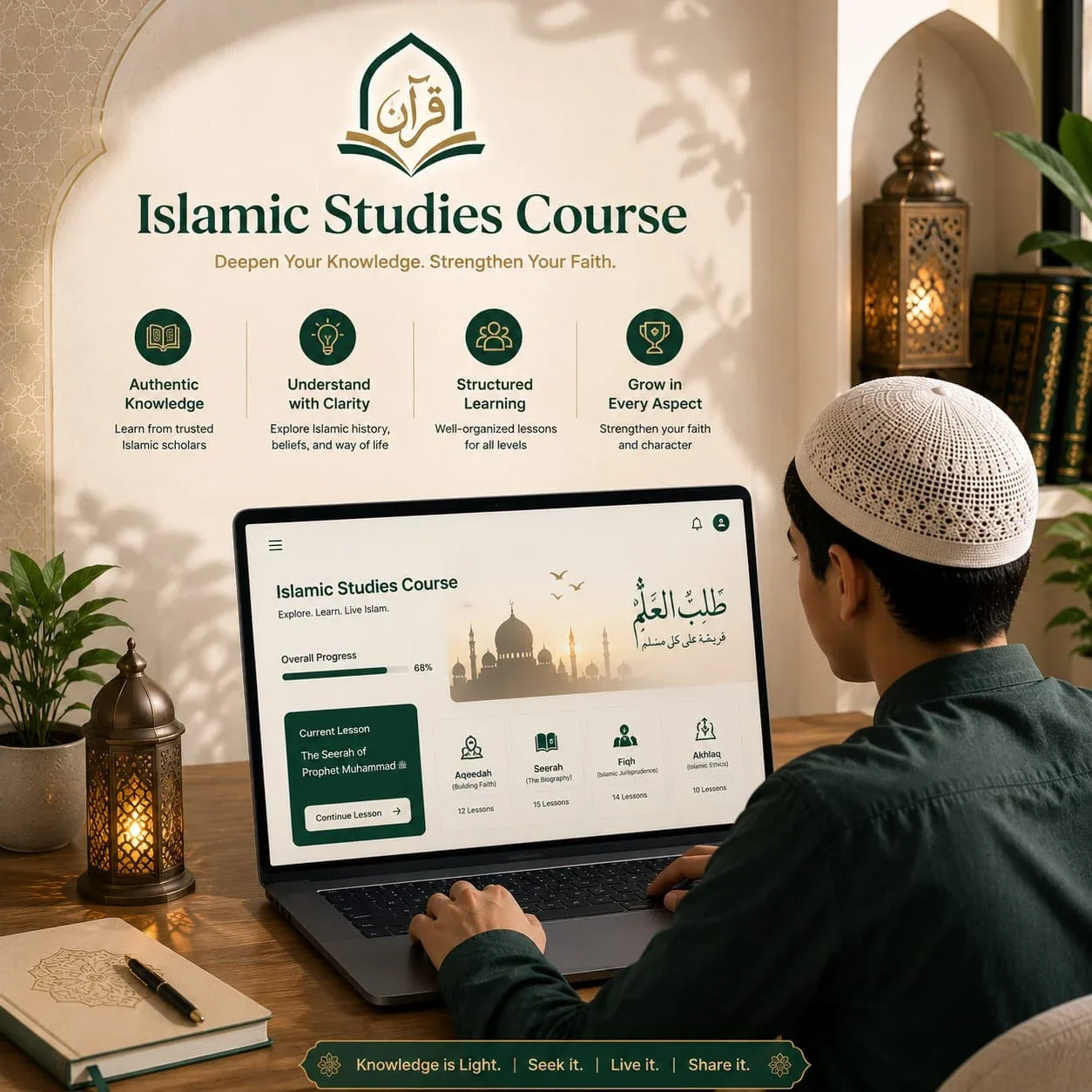
Students learn Aqeedah, worship, Seerah, Fiqh, Hadith, Islamic manners, and daily practice step by step. The aim is not to rush. The aim is to help the student understand Islam and use that knowledge in real life.
Book 2 Free Trial Lessons and start with a teacher who checks your level before building your learning plan.
Online Islamic Studies Course with Live One-on-One Teachers
This is not a recorded course. It is not a list of random videos. Each student learns with a teacher who can explain, ask questions, correct misunderstandings, and adjust the lesson to the student’s age and level.
- Live one-on-one Islamic classes online
- Native Arabic teachers with English explanation
- Beginner-friendly lessons for kids, adults, and new Muslims
- Female teacher availability for sisters and girls
- Flexible scheduling for different time zones
- Progress tracking after lessons
- Clear Islamic education online without random topic jumping
Why Islamic Studies Matters
Islamic knowledge should help a student pray with understanding, behave with good manners, know the basics of belief, and make better choices in daily life.
Allah says:
Arabic: وَقُل رَّبِّ زِدْنِي عِلْمًا
English: “My Lord! Increase me in knowledge.”
Source: Surah Ta-Ha, Ayah 114.
The Prophet Muhammad ﷺ said:
Arabic: مَنْ سَلَكَ طَرِيقًا يَلْتَمِسُ فِيهِ عِلْمًا سَهَّلَ اللَّهُ لَهُ طَرِيقًا إِلَى الْجَنَّةِ
English: “Whoever takes a path upon which to obtain knowledge, Allah makes the path to Paradise easy for him.”
Source: Jami` at-Tirmidhi 2646, Book 41, Hadith 2.
Who This Course Is For
This course is made for students who need Islamic knowledge in a clear order. The teacher does not teach every student the same way. A child, an adult beginner, and a new Muslim need different starting points.
- Kids who need Islamic studies for kids online in simple English
- Adults who want to rebuild the foundations of Islamic knowledge
- Beginners who want to learn Islam online step by step
- New Muslims who need calm guidance without pressure
- Sisters who prefer learning with a female teacher
- Parents who want Islamic classes for children at home
- Non-Arabic speakers who need Islamic studies in English
- Families in the USA, UK, Canada, Australia, Germany, and Europe who need flexible class times
What Students Learn in Islamic Studies
Aqeedah and Belief
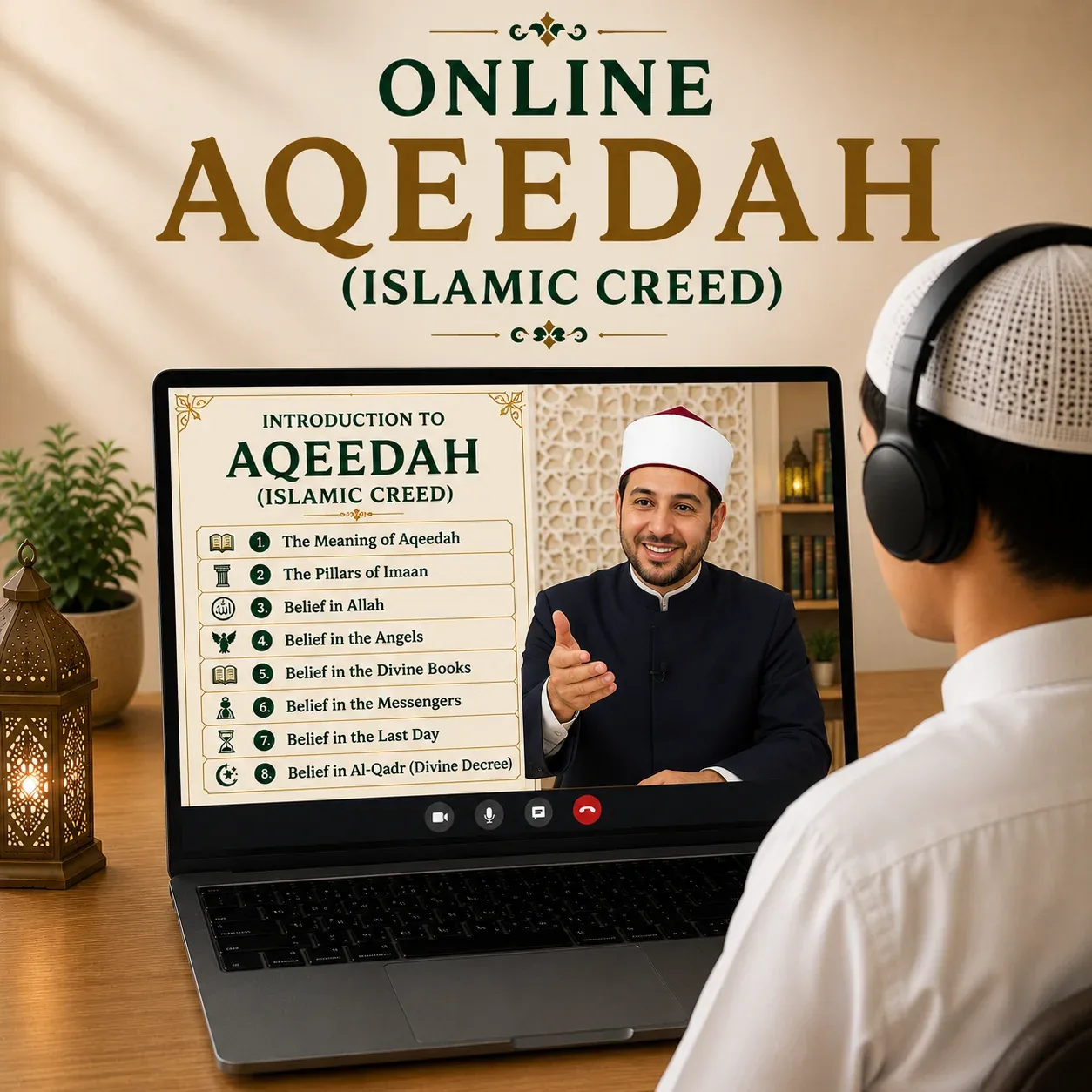
Students learn the foundations of Islamic belief, including belief in Allah, angels, books, messengers, the Last Day, and Qadr. The teacher explains these topics in simple English with examples the student can understand.
Ibadah and Worship
Students learn the meaning and practice of worship, including Wudu, Salah, fasting, Du’a, Dhikr, and respect for the Quran. The goal is to help the student understand worship, not only repeat steps.
Fiqh for Daily Life
The course introduces practical Fiqh topics such as purification, prayer, fasting, halal and haram basics, family manners, and common daily questions.
Seerah of Prophet Muhammad ﷺ
Students study the life of Prophet Muhammad ﷺ through lessons that build love, patience, mercy, courage, and good character.
Hadith and Prophetic Manners
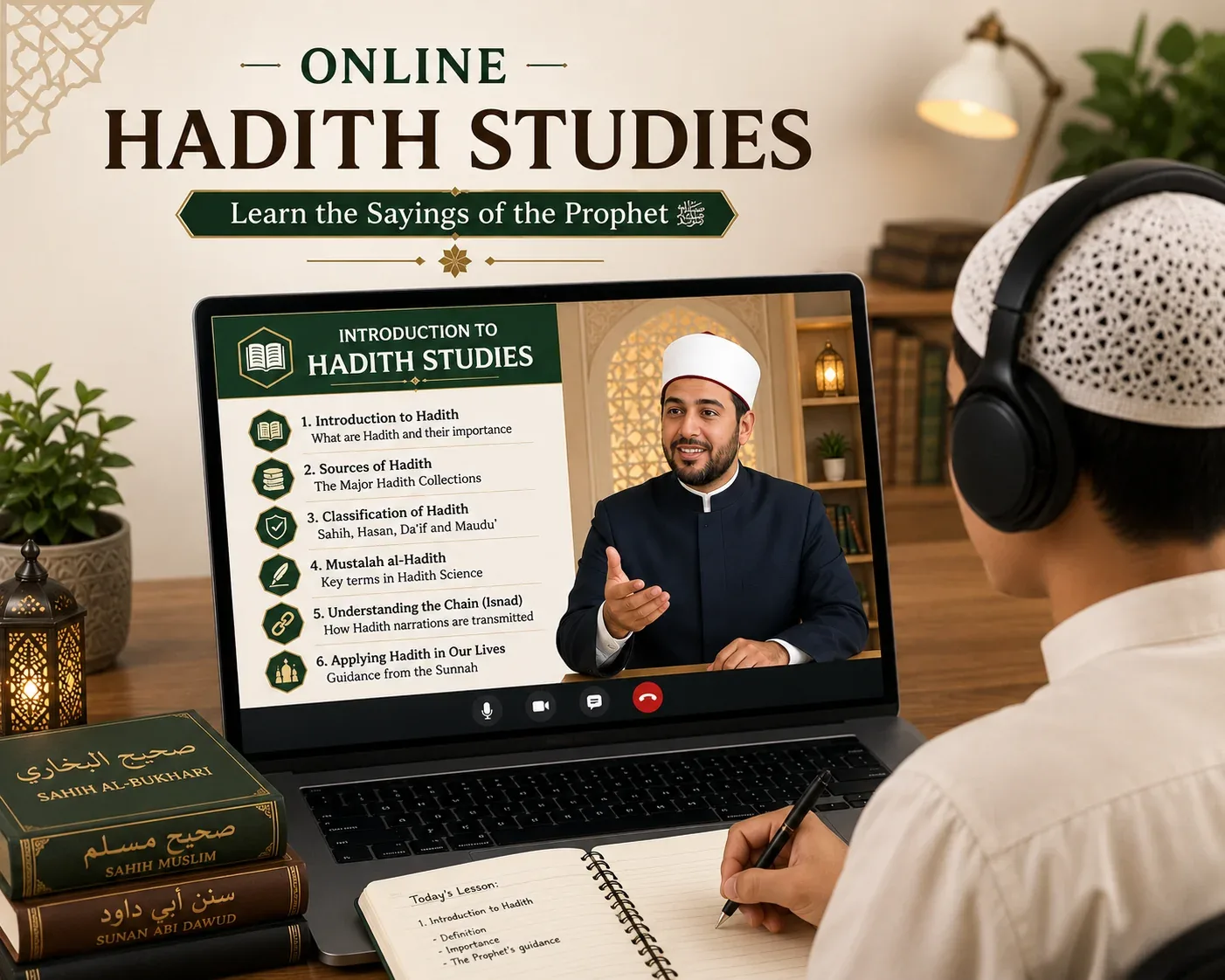
Students learn selected Hadith with explanation. Lessons connect Prophetic guidance to honesty, respect, kindness, cleanliness, responsibility, and good speech.
Akhlaq and Islamic Character
This part is important for children and teenagers. Students learn how Islam guides behavior at home, at school, online, and with friends.
Suggested Learning Path
- Level 1: Allah, Islam, Iman, Wudu, Salah, and basic Islamic manners.
- Level 2: The five pillars of Islam, the six pillars of Iman, short Seerah lessons, and daily Du’a.
- Level 3: Practical Fiqh, selected Hadith, Islamic character, and common life questions.
- New Muslim Path: belief, prayer, purification, fasting, daily practice, and private questions.
The teacher can slow down, repeat, or move faster based on the student. This matters because Islamic studies for beginners should feel clear, not heavy.
How the Online Islamic Studies Course Works
- Step 1: Book 2 Free Trial Lessons.
- Step 2: The teacher checks the student’s age, level, and goals.
- Step 3: We match the student with a suitable teacher.
- Step 4: Lessons start live online in a one-on-one class.
- Step 5: The teacher follows progress and adjusts the plan when needed.
Parents can ask what their child is studying. Adults can ask questions privately. New Muslims can start from the basics without feeling embarrassed.
Flexible Islamic Classes Online for the USA, UK, Canada, Australia, Germany, and Europe
Families outside Muslim-majority countries often need Islamic education that fits school, work, and weekend routines. This course is built around flexible scheduling, teacher matching, and steady progress.
Students can study after school, in the evening, or on weekends. Sisters can request a female teacher. Parents can choose a schedule that works with their local time zone in the USA, UK, Canada, Australia, Germany, or anywhere in Europe.
Related Courses That Support Islamic Studies
If the student also needs Quran reading, continue with Online Quran Classes.
For younger learners, the Quran for Kids course can support Quran reading beside Islamic manners and belief.
Sisters and girls who prefer a female teacher can visit Quran for Sisters.
Students who want to understand Islamic terms better can study the Arabic Language Course.
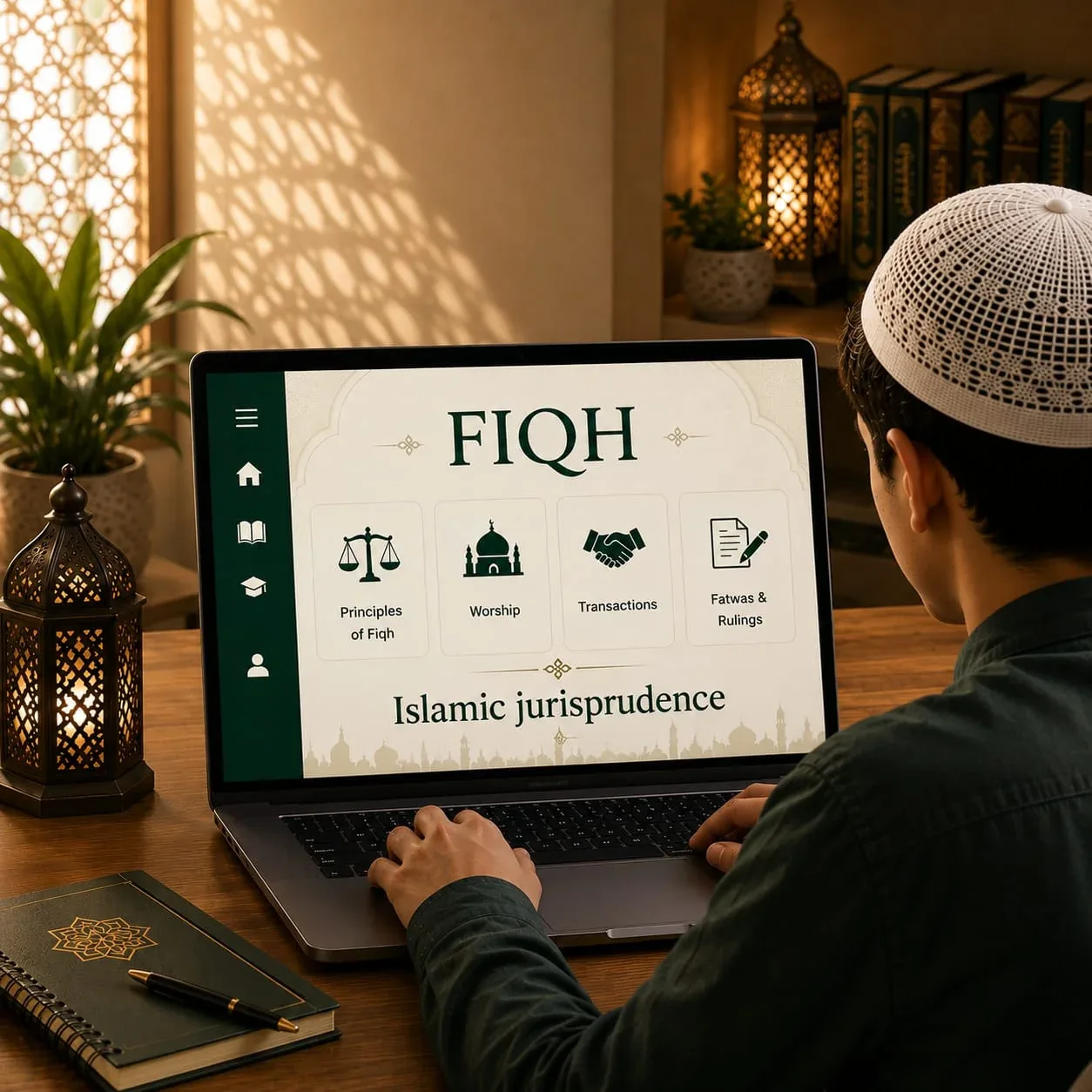
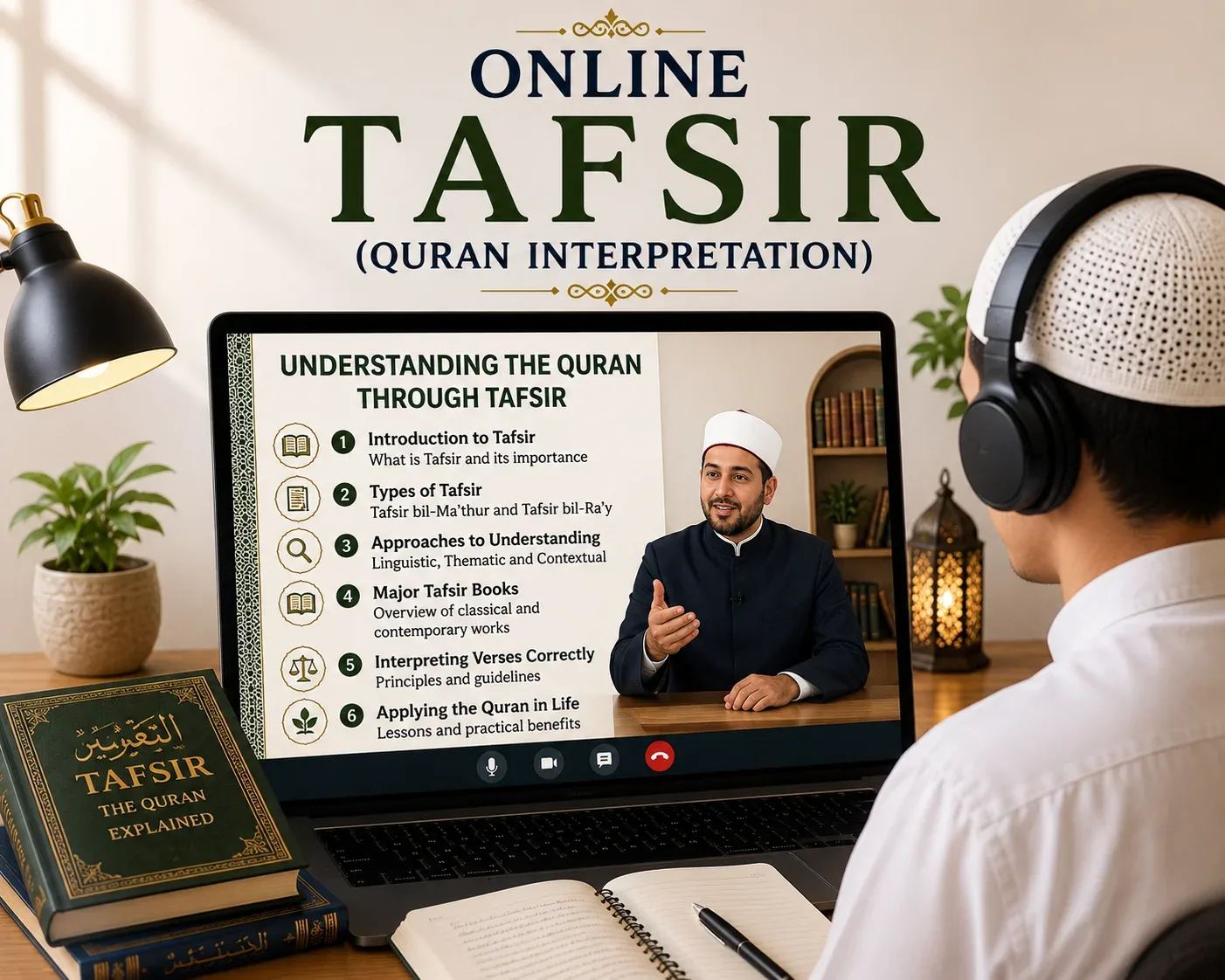
For deeper subject learning, students can continue with Fiqh, Aqeedah, Tafsir, Hadith Studies, or Seerah.
Book 2 Free Trial Lessons and see how the teacher explains Islamic Studies before choosing a regular schedule.